Spontaneous clearance of hepatitis C virus (HCV) infection occurs in ~25% of people. Defining the immunologic determinants of clearance may direct effective vaccination strategies. Female sex is associated with an increased probability of spontaneous HCV clearance (adjusted HR>2 F vs M). We sought to define sex-specific transcriptional features in HCV infection to identify immune responses that may contribute to viral clearance.
Total RNA was extracted from cryopreserved PBMC from a cohort of HIV-negative people with injection drug use: 39 age-matched HCV+(20M, 19F), and 30 HCV- (15M, 15F). Dual index libraries were sequenced (Illumina NovaSeq6000 paired-end, 2x50bp). Analysis of gene counts, multidimensional scaling and gene set enrichment analysis (GSEA) were done in R. Additional analysis was done with a custom gene set derived from RNAseq of in vitro GMCSF-differentiated primary human monocytes. Comparisons of gene expression were done both within and between sex and by HCV infection status.
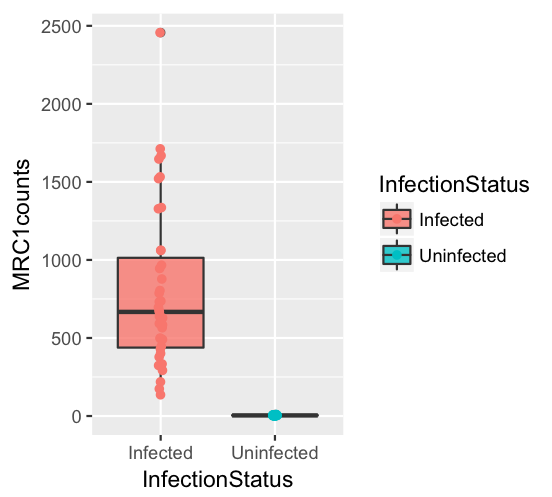
HCV infection status was the primary differentiating factor in gene expression profiles across all of the samples. Excluding sex chromosome encoded genes, HCV infection induced sex-specific regulation of >5000 transcripts in females and >2800 transcripts in males and ~5500 genes shared across the sexes. The top 3 hallmark pathways by GSEA (interferon alpha, interferon gamma and complement) were shared between the sexes, but there were other unique pathways significant at the FDR<0.05 level including negative regulation of TNF alpha signaling by NFkB detected among females but not males. Marked upregulation of MRC1 was noted in the gene count data (HCV+ v HCV- p<2e-16), with the HCV+ females having higher expression of MRC1 (p<5e-6) than males. MRC1 is not included in hallmark pathways but is markedly enriched in an in vitro model of monocyte differentiation with GMCSF conditioning. A custom GMCSF gene set showed ~3-fold enrichment(FDR q<0.05) the gene set in HCV+, with greater enrichment in females.
HCV infection markedly alters the immune transcriptome with sex-specific features, such as a marked increase in MRC1 expression, that was reproduced in vitro by stimulating monocytes with GMCSF. These data highlight sex specific features of the innate immune response to HCV; further studies are needed to assess the relationship to HCV clearance.