Background
Memphis ranks second in the U.S. for new HIV diagnoses, underscoring an urgent need for innovative prevention. Testing remains heavily stigmatized, particularly among marginalized groups, limiting early diagnosis and care. Traditional clinic-based models often miss those who fear judgment or disclosure. To address this, we launched a free vending machine program in Memphis, distributing at-home HIV and syphilis test kits and condoms as a private, stigma-free option for sexual health resources.
Methods
From May 6–August 14, 2025 (100 days), three vending machines were placed in community sites, including libraries. All items were free. Clients completed confidential surveys via QR code on the machines or a web link in advance, capturing demographics, behaviors, and testing history. Follow-up texts assessed test use and outcomes. Aggregate vending and survey data were analyzed descriptively.
Results
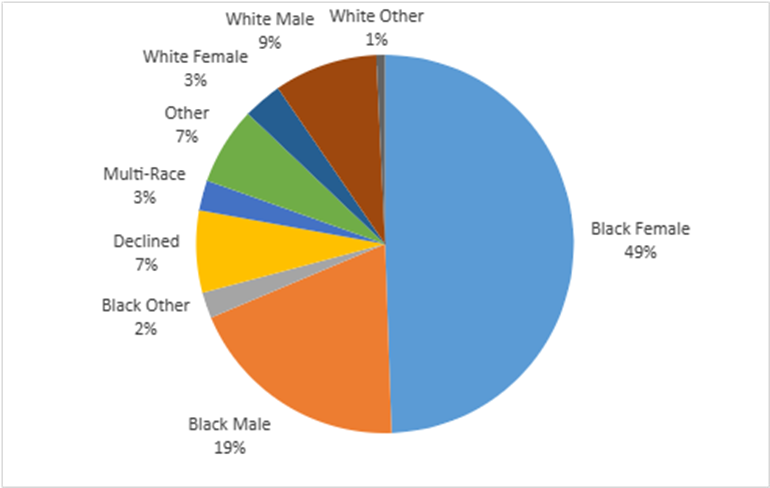
During the study period, 326 unique clients accessed supplies, representing 62 different ZIP codes. The largest age group was 25–34 years (39%), and nearly half (46%) identified as African American females. Of the 178 who completed assessments, 91 (51%) reported alcohol or drug use before or during sex, and 39% reported condom use in fewer than half of encounters. Twenty-nine percent did not test for HIV annually, with 15% reporting they had never tested before. Library locations accounted for 80% of vends, underscoring their role as trusted community access points. Among clients who reported outcomes, two tested positive and were linked to care. Seventeen requested appointments for PrEP initiation, and 29 requested further information. Short-response follow-up texts generated far higher engagement (40%) compared to longer surveys (<2%). Clients described valuing the privacy, convenience, and nonjudgmental access.
Conclusions
Free vending machines offering at-home HIV and syphilis tests alongside condoms reached a diverse population with prevention needs, including individuals with low testing frequency and inconsistent condom use. Placement in libraries maximized utilization and provided stigma-free entry points. The program identified new HIV cases, ensured linkage to care, and generated interest in PrEP. Discreet distribution models can extend reach, normalize testing, and empower individuals who may not otherwise engage in traditional healthcare settings. These findings support vending machines as a scalable, community-centered strategy for HIV prevention and sexual health equity.
Table or Figure